Faces of Yve Home

Category

Culture & Identity

27 articles

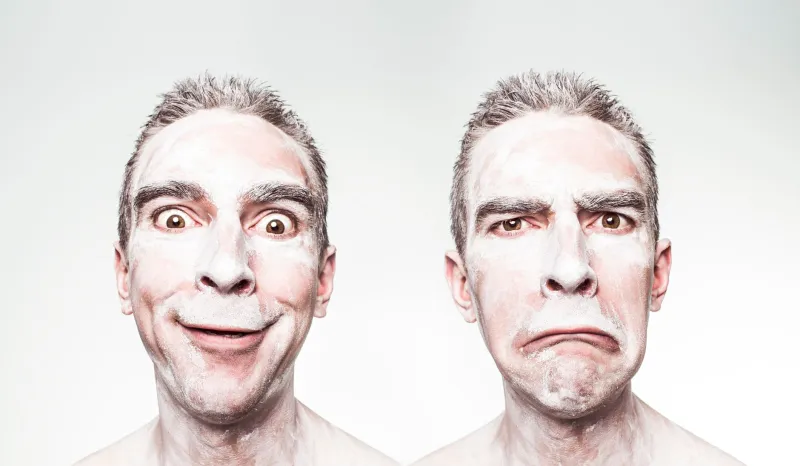
Smile Like You Mean It: The Americans Exhausted by Being Told How Their Faces Should Look

Smile Like You Mean It: The Americans Exhausted by Being Told How Their Faces Should Look

In America, not everyone gets to walk around with the same face. Depending on your race, gender, class, and zip code, your natural expression might read as warm and welcoming — or threatening, difficult, and unprofessional. This is the unspoken tax on millions of Americans who spend their days managing not just what they say, but what their faces are allowed to show.

Blink and You'll Miss It: Why Americans Are Obsessing Over the Tiny Expressions That Leak the Truth

Blink and You'll Miss It: Why Americans Are Obsessing Over the Tiny Expressions That Leak the Truth

Somewhere between a heartbeat and a half-second, your face tells the truth your words are working hard to hide. Ordinary Americans are now studying the science of microexpressions — and what they're finding is complicating everything from first dates to boardroom negotiations. The question is whether this knowledge brings us closer to each other or just gives us one more reason to be suspicious.

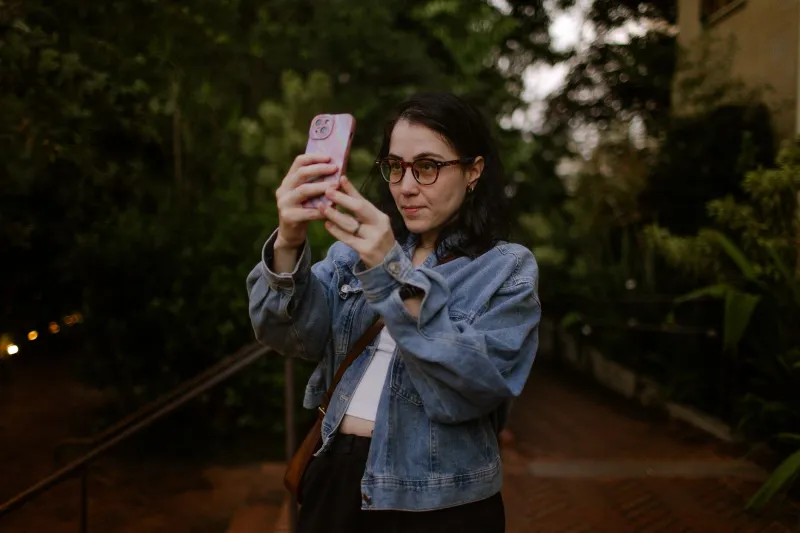
The Stranger in the Screenshot: What Happens When You Finally See Your Own Face

The Stranger in the Screenshot: What Happens When You Finally See Your Own Face

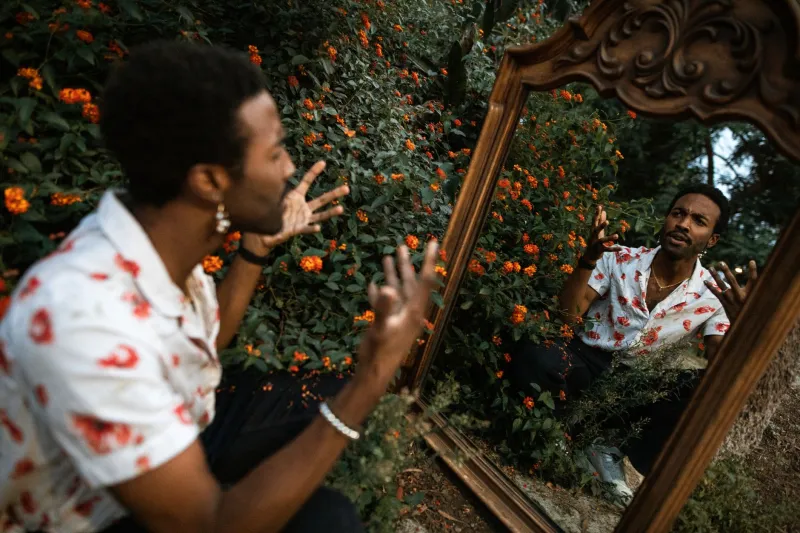
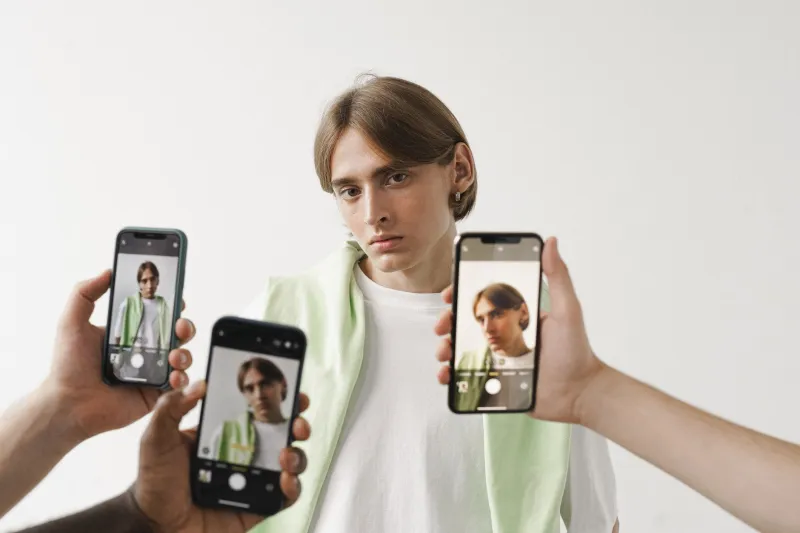
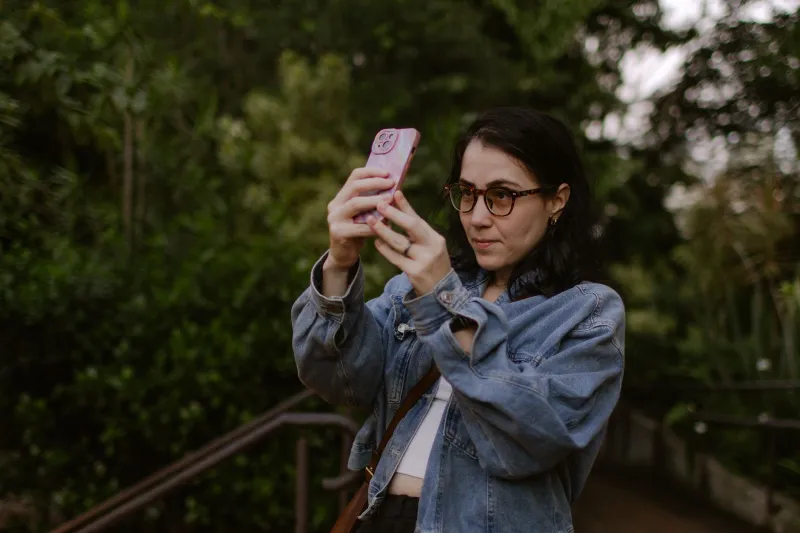
Most of us have spent our entire lives with the least accurate view of our own face — the mirror flips it, the selfie distorts it, and our brain quietly edits the rest. But what happens when you're confronted with an image of yourself that you didn't stage, didn't approve, and can't unsee? For a lot of people, it's less a reckoning than a revelation.

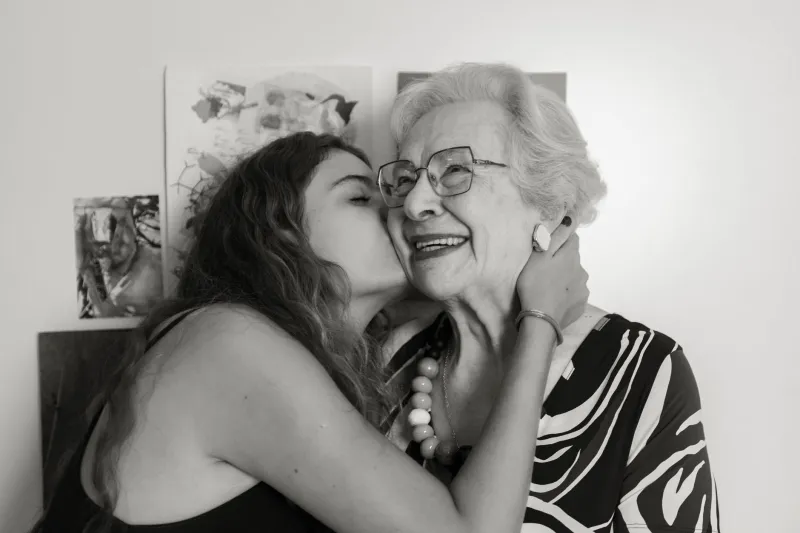
You Wear Their Face: The Ancestors Who Show Up Every Time You Look in the Mirror

You Wear Their Face: The Ancestors Who Show Up Every Time You Look in the Mirror

That way your brow furrows when you're thinking hard? You didn't invent that. Somewhere in your family tree, someone was doing the exact same thing — and they never even knew you were coming. We went deep on the science, the stories, and the strange intimacy of carrying a stranger's face into the present.

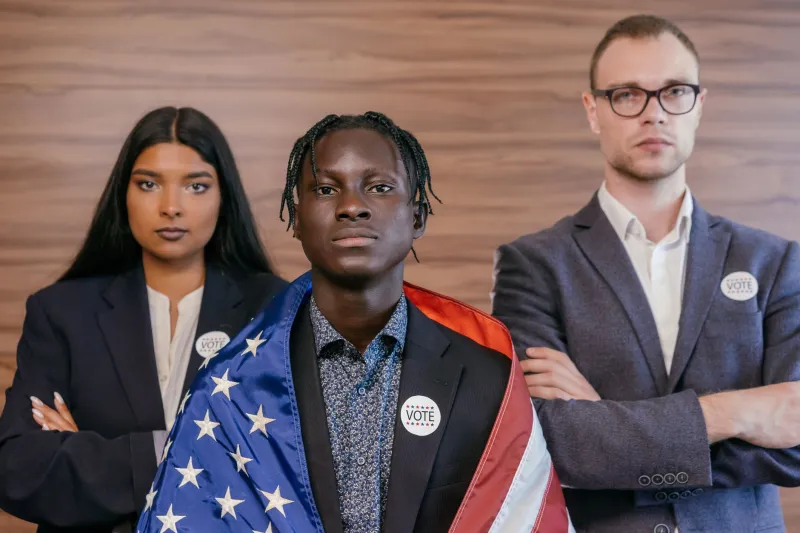
Your Face Already Voted — And It Did It Before You Opened Your Mouth

Your Face Already Voted — And It Did It Before You Opened Your Mouth

Long before you finish your sentence about tax policy or immigration, your face has already broadcast your real position to everyone in the room. Psychologists call them microexpressions — those involuntary, quarter-second flickers of emotion that bypass every filter you've spent a lifetime building. What happens when your face and your politics don't tell the same story?

The Face You Put On for the Room You're In

The Face You Put On for the Room You're In

Most of us have more than one face — the one for the boardroom, the one for the family kitchen, the one that only comes out with people who've known us since before we knew ourselves. The switching happens fast, often without thought, and the cost of it is something we rarely talk about out loud.

Holding the Tongue Their Grandparents Were Told to Lose

Holding the Tongue Their Grandparents Were Told to Lose

For some second and third-generation Americans, the accent isn't an accident — it's a choice. In a country that spent generations telling immigrant families to smooth out their speech, a growing number of their descendants are doing the opposite, holding onto the vocal textures of places they've never lived but somehow still carry.

Your Face Gave You Away Before Your Brain Even Caught Up

Your Face Gave You Away Before Your Brain Even Caught Up

In less time than it takes to blink, your face broadcasts feelings you'd swear you don't have. Scientists and diversity consultants are using that uncomfortable truth to help Americans confront the biases they never knew they were wearing.

The Voice You Packed and the One You Left Behind

The Voice You Packed and the One You Left Behind

When Americans move, change circles, or climb new social ladders, their voices often quietly follow — shifting, softening, or disappearing altogether. But the original accent rarely goes away completely. It just waits, patient as a hometown, for the right moment to resurface.

Your Face Is Talking Even When Your Mouth Is Closed — Here's How to Listen

Your Face Is Talking Even When Your Mouth Is Closed — Here's How to Listen

Before anyone says a word in a meeting, their face has already had the conversation. Microexpressions — those lightning-fast flickers of emotion — are happening all around us, and most of us have no idea how to read them. A few psychologists and some painfully relatable workplace moments might just change that.

Your Face Was Never Supposed to Be Symmetrical — And That's Exactly the Point

Your Face Was Never Supposed to Be Symmetrical — And That's Exactly the Point

Flip any photo of your face down the middle and you'll meet two strangers. That unsettling discovery — the one that breaks people's brains on social media every few months — is actually one of the most honest things your body has ever shown you. Here's why your uneven face might be the most authentic thing about you.

Y'all, Youse, and You Guys: The Americans Finally Letting Their Real Voices Out

Y'all, Youse, and You Guys: The Americans Finally Letting Their Real Voices Out

For years, millions of Americans have quietly sanded down their vowels, swallowed their drawls, and traded their hometown cadence for something that sounds more 'neutral.' Now, a growing number of people are pushing back — and the journey back to their real voices is more complicated, and more freeing, than they ever expected.

When Your Mouth Tells a Story Your Face Never Promised

When Your Mouth Tells a Story Your Face Never Promised

Some people open their mouths and watch the whole room recalibrate. Whether it's a Southern drawl coming from someone who looks freshly arrived from Seoul, or a crisp Lagos lilt from a face that reads as All-American, the gap between how we look and how we sound is one of the most intimate identity spaces there is. We talked to people living inside that gap — and what they shared will make you rethink every assumption you've ever made in the first five seconds of a conversation.

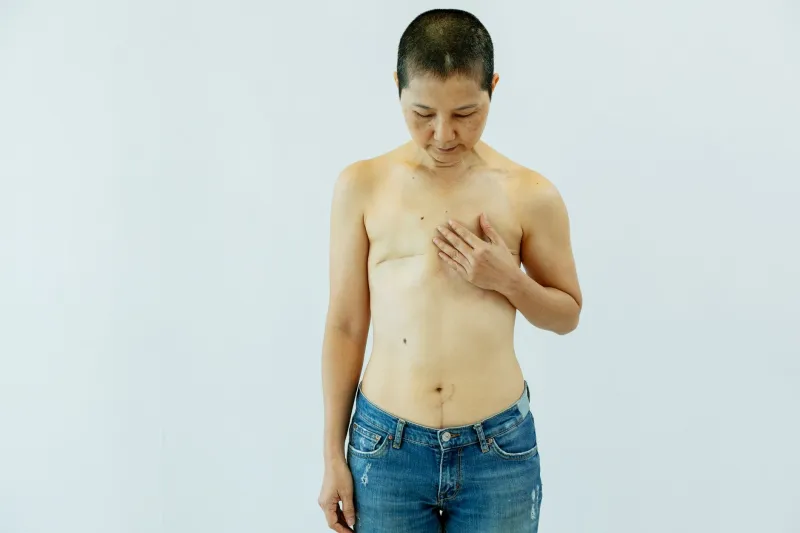
Worn With Purpose: How Americans Are Turning Medical Scars Into Declarations of Self

Worn With Purpose: How Americans Are Turning Medical Scars Into Declarations of Self

For a growing number of Americans, the marks left behind by surgery, illness, and medical trauma are no longer things to conceal — they're things to claim. From mastectomy lines to burn recovery to the quiet geometry of surgical scars, these individuals are rewriting what a healed body is allowed to look like. And in doing so, they're shifting something much bigger than a personal narrative.

Raw and Unretouched: The People Ditching the Filter and Finding Themselves Instead

Raw and Unretouched: The People Ditching the Filter and Finding Themselves Instead

A growing wave of people are logging on differently — no smoothing tools, no perfectly staged lighting, no performance of a life they don't actually live. What started as a quiet rebellion against curated perfection has turned into something much bigger: a reckoning with who we actually are when the editing stops.

Logging Off the Self: What People Find When They Stop Living for the Feed

Logging Off the Self: What People Find When They Stop Living for the Feed

For years, millions of Americans built parallel lives online — carefully lit, strategically captioned, perpetually performing. Now, a quiet exodus is underway, and the people walking away are discovering something unsettling: they're not entirely sure who they are without an audience watching.

They Blew Up Their Old Lives After 40 — Here's What They Found on the Other Side

They Blew Up Their Old Lives After 40 — Here's What They Found on the Other Side

Somewhere along the way, we absorbed the idea that your life's direction is basically locked in by the time you hit 30. These Americans didn't get that memo — or they got it and threw it away. From a former corporate attorney who became a ceramicist to a retired firefighter who opened a bookshop at 61, their stories are messy, honest, and genuinely worth hearing.